Maryland’s State Plan sets all Occupational Health and Safety rules for the state. The Maryland Division of Labor and Industry (MD LI), the regulatory agency that oversees the State Plan, is responsible for Maryland’s State Plan, also known as The Maryland Occupational Safety and Health (MOSH).
All employees in the public sector are covered by the Maryland State Plan, and most employees in the private sector are also covered, with the following minor exceptions:
Every aspect of the onboard cabin crew members’ working conditions
Though Federal OSHA Jurisdiction covers all the areas which are not covered by the State Plan, Federal OSHA has to hold on to some Standards to themselves for the private sector, such as the Anti-retaliation provision of the Occupational Safety and Health Act of 1970, Section 11(c), 29 USC 660(c). MOSH is allowed to run investigations on workplace retaliation cases when needed.
Federal OSHA must maintain some standards exclusively for the private sector, such as the anti-retaliation clause of the Occupational Safety and Health Act of 1970, Section 11(c), 29 USC 660(c), even if its jurisdiction extends to all areas not covered by the State Plan. When necessary, MOSH is allowed to conduct investigations into allegations of workplace retaliation.
Despite the fact that the majority of State Plans adopt Federal OSHA Standards and Regulations, some of them have their own special requirements, which are stated below:
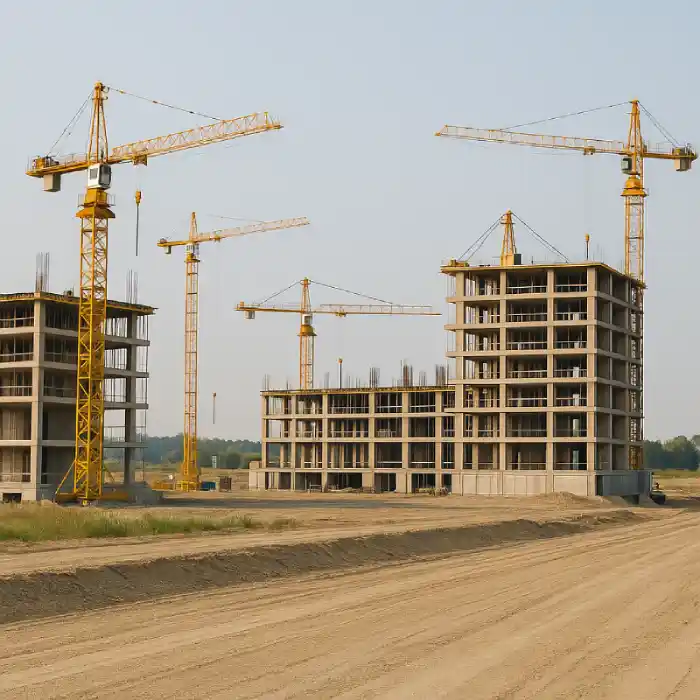
Construction MOSH Standards
A Field Sanitation Standard
As the regulatory body that enforces and administers the training requirements implementation at any workplace, be it the public sector or some of the private sector, MOSH caters inspections, penalties, report keeping, worker complaints, or referrals.
Save An Extra
20% OFF
Automatically Applied at Checkout
Enrolling in Get OSHA Courses training is always a good idea because, after passing the necessary tests and earning your OSHA certificate, you will profit from the following advantages: Accident fatalities and job injuries will go down. protection of employees from OSHA inspections and hefty fines at work fewer medical compensation expenses and days off from work