
Forklifts play an important role in warehouses, distribution centers, manufacturing facilities, and construction environments. They help workers move heavy materials efficiently, but operating this equipment requires proper instruction, practical skills, and an understanding of workplace hazards.
If you're interested in becoming a forklift operator, studying online can be a convenient way to learn the basics before working with the equipment. You can explore operating procedures, load handling, equipment inspections, and workplace safety without attending an in-person class for every lesson.
However, completing an online course is only one part of the process. In the United States, the Occupational Safety and Health Administration (OSHA) requires a combination of formal instruction, practical training, and workplace performance evaluation for operators covered by its powered industrial truck standard.
This guide explains how to learn forklift operation, choose a suitable course, understand the requirements for a forklift license, and prepare for employment in warehouse and material-handling roles.
Explore Get OSHA Courses for additional workplace safety training resources.
How to Start Learning Forklift Operation Online
The best starting point depends on whether you're completely new to forklift operation, preparing for a job application, or seeking additional knowledge for your current role.
1. Find a Suitable Forklift Course
Look for an educational program that covers forklift safety, equipment controls, load stability, and the operating procedures relevant to your intended workplace.
Before enrolling, review the course outline and check whether it covers the type of powered industrial truck you expect to use.
Consider these factors when comparing training providers:
-
Course topics and learning materials
-
Self-paced lessons or scheduled classes
-
Knowledge checks and final assessments
-
Availability of a course completion record
-
Additional practical instruction requirements
-
Total cost and any extra fees
A course should help you understand safe operating principles rather than simply provide a quick assessment.
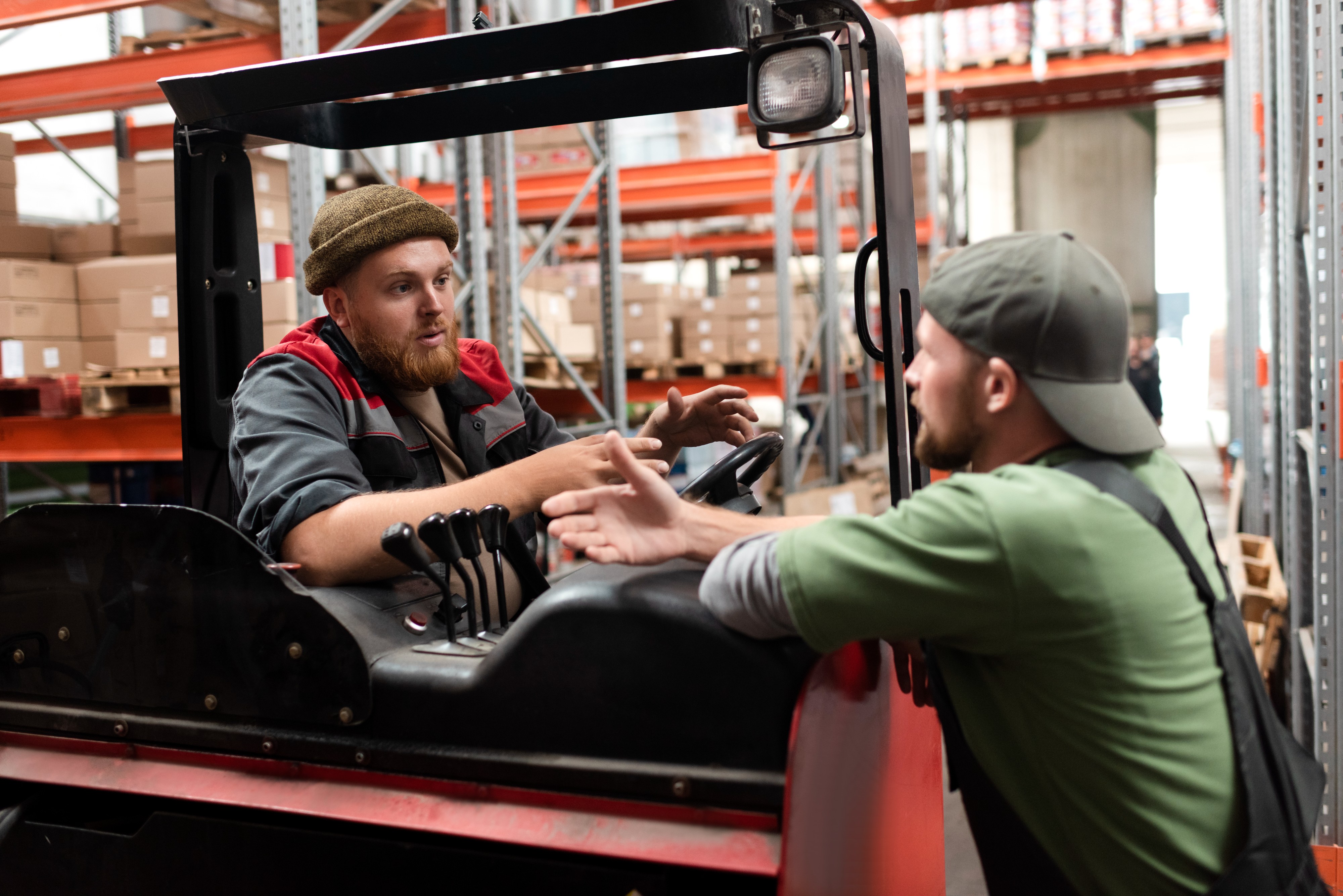
2. Learn the Fundamentals of Forklift Safety
A forklift operator needs to understand how the machine works and how operating decisions affect the safety of nearby workers.
Common learning topics include:
-
Forklift controls, instruments, and operating instructions
-
Differences between forklifts and passenger vehicles
-
Load capacity and vehicle stability
-
Safe turning, reversing, and maneuvering
-
Pedestrian traffic and restricted spaces
-
Ramps, slopes, and surface conditions
-
Pre-use inspections and defect reporting
-
Loading, unloading, and material handling
-
Parking and shutdown procedures
These subjects provide a foundation for practical exercises and help you recognize hazards before operating equipment in a workplace.
3. Complete the Course Lessons and Assessment
Many educational programs include quizzes or a final knowledge test. These assessments help determine whether you understand the material covered in the lessons.
Review the topics you find difficult, particularly load stability, safe travel, visibility, and pedestrian protection.
Keep any course completion record provided by the training organization. Your employer can determine whether it is suitable for the formal instruction portion of its training program and what additional steps are required.
4. Arrange Practical Forklift Instruction
Learning about equipment online is different from operating it in real conditions.
Practical instruction gives you an opportunity to observe demonstrations and practise relevant tasks under the supervision of a qualified trainer. Depending on the equipment and workplace, these exercises may include steering, stopping, maneuvering, lifting loads, and working around obstacles.
Do not operate equipment independently simply because you have completed an online assessment.
5. Complete a Workplace Evaluation
Before allowing an employee to operate a forklift independently, the employer must ensure the applicable training and performance evaluation requirements have been met.
The evaluation should reflect the equipment and working conditions relevant to the job. Once you demonstrate the required skills, your employer can authorize you to operate the relevant equipment.
What Are the OSHA Forklift Training Requirements?
OSHA's general industry standard, 29 CFR 1910.178, covers the training requirements for powered industrial truck operators.
The standard requires employers to ensure operators can perform their work safely. The training program combines formal instruction, practical training, and an evaluation of the operator's performance in the workplace.
Formal Instruction
Formal instruction may include classroom lessons, discussions, videos, written materials, or interactive computer learning.
An online course can contribute to this part of the process when its instruction is appropriate to the equipment and workplace.
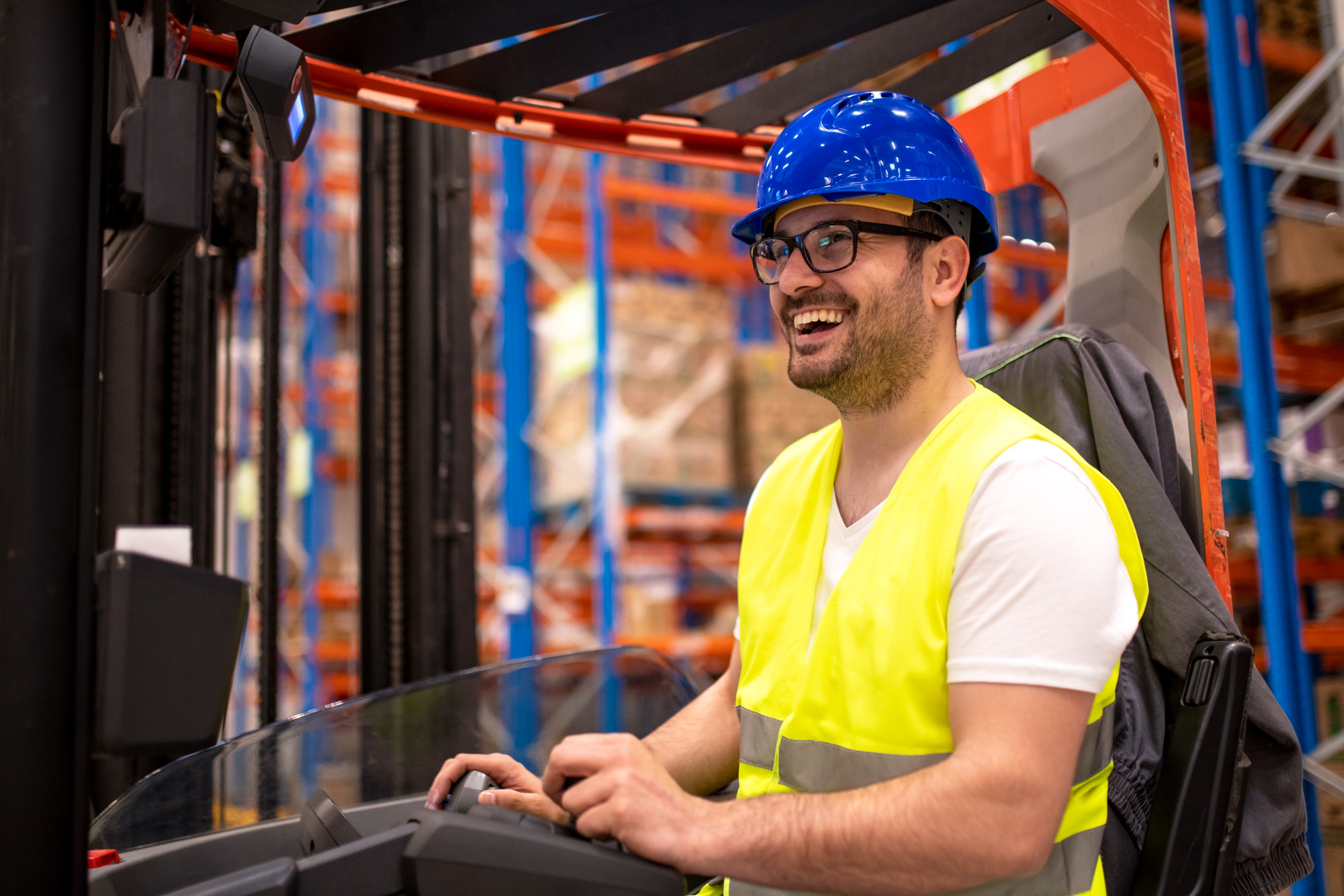
Practical Training
Practical instruction involves demonstrations by a trainer and exercises completed by the trainee. It helps operators develop the skills needed to handle equipment safely.
Workplace Performance Evaluation
A qualified person must evaluate the operator's ability to work safely in the relevant environment.
OSHA also requires an evaluation of each operator's performance at least once every three years. Refresher training is required in specified circumstances, including unsafe operation, an accident or near miss, assignment to a different type of truck, or changes in workplace conditions that affect safe operation.
Employers must maintain the required records of operator training and evaluation.
For the full requirements, consult the official OSHA Powered Industrial Trucks standard.
For broader workplace safety training, you can also explore our OSHA 30-hour course.
How to Get a Forklift License
People often use the term forklift license when referring to the training and authorization needed for a forklift operator job.
In the United States, OSHA does not issue one universal forklift driver's license. Instead, the general industry rules focus on appropriate training, evaluation, and employer authorization.
If you're wondering how to get a forklift license, follow these general steps:
-
Choose a suitable forklift safety course.
-
Complete the applicable formal instruction.
-
Arrange practical training on the relevant equipment.
-
Demonstrate safe operating skills during a workplace evaluation.
-
Obtain authorization from your employer before operating independently.
The exact process can vary by employer, equipment type, and workplace. Ask the employer what training records it accepts and whether it provides practical instruction to new employees.
Can You Learn to Operate a Forklift Online?
Yes. Online learning can help you understand forklift controls, safety procedures, load handling, and workplace hazards.
It may be particularly useful for beginners who want to study the fundamentals before applying for warehouse positions. It can also help experienced workers review general safety principles.
However, online lessons cannot fully replicate handling a real forklift, judging clearances, maneuvering with a load, or responding to conditions at an actual worksite.
For covered workplaces, OSHA requires practical training and workplace evaluation in addition to formal instruction. Choose an online course with a clear explanation of what it covers and arrange any remaining training through your employer or a suitable training provider.
Where Can You Get Forklift Training?
There are several ways to learn the skills needed for a forklift operator role. The right option depends on your location, budget, experience, and access to equipment.
Online Training Providers
Online providers offer educational courses that cover operating principles and workplace safety. This option is useful when you want flexible study hours or need to review the basics before practical instruction.
Check the course outline carefully and confirm whether hands-on training must be arranged separately.
Employers and Warehouses
Some employers provide training during onboarding or before assigning a new employee to operate equipment.
Consider contacting warehouses, distribution centers, logistics companies, and manufacturing facilities to ask about entry-level positions and workplace training opportunities.
Vocational Schools and Equipment Training Centers
Local training centers may offer classroom instruction alongside practical exercises. This can be useful if you want access to equipment and supervised practice.
Before enrolling, ask which truck types are covered, how practical exercises are organized, and whether the program includes an appropriate performance evaluation.
How Much Does Forklift Training Cost?
The price of a forklift course varies by provider, course format, learning materials, and the services included.
An online program may cover formal instruction only, while a more comprehensive option may include practical training or other support.
When comparing affordable forklift training options, check:
-
Whether all course lessons are included in the advertised price
-
Whether assessments are provided
-
Whether you receive a record of course completion
-
Whether practical instruction costs extra
-
Whether you need to pay separately for workplace evaluation
If you're looking for low-cost or free forklift learning materials, check reputable educational resources and employer-provided programs. Free study materials can help you understand safety principles, but they do not automatically satisfy all workplace training requirements.
Compare the full cost and the training you'll actually receive rather than choosing a course based on price alone.
How Long Does It Take to Learn Forklift Operation?
The time required depends on the course provider, the type of equipment, your previous experience, and how quickly you demonstrate safe operating skills.
Self-paced lessons may be completed according to your schedule. Practical instruction and workplace evaluation require additional time, and there is no single course duration that applies to every operator.
When checking a course's advertised duration, distinguish between the time needed to finish the lessons and the full process required before you can operate a forklift independently at work.
How Old Must You Be to Operate a Forklift?
For most non-agricultural employment in the United States, federal child labor rules generally prohibit workers under 18 from operating powered industrial trucks.
If you're considering a warehouse or material-handling job, check the age restrictions and other requirements that apply to the position.
Meeting the minimum age requirement does not remove the need for appropriate training, a workplace evaluation, and employer authorization.
Do You Need a Driver's License to Drive a Forklift?
A regular driver's license is not universally required by federal OSHA rules simply to operate a forklift on private workplace premises.
However, an employer may require a driver's license as part of its hiring criteria. Different requirements may also apply when a vehicle is operated on public roads.
Review the job listing or ask the employer about its specific requirements. Regardless of your regular driver's license status, you must meet the applicable workplace forklift training requirements.
How Difficult Is It to Learn Forklift Operation?
The basics can be learned through instruction and practice, but safe operation requires concentration, sound judgment, and awareness of your surroundings.
New operators often need time to develop confidence with:
-
Turning and maneuvering in narrow aisles
-
Moving loads without compromising stability
-
Maintaining visibility while travelling
-
Working around pedestrians and other vehicles
-
Recognizing unsafe surfaces and slopes
-
Completing inspections and reporting equipment defects
Never exceed your training or attempt a task if you're unsure how to perform it safely. Ask your trainer or supervisor for guidance.
How to Prepare for a Forklift Operator Job
Learning about forklift safety is a useful starting point, but employers may also consider your practical skills, work history, and ability to follow workplace procedures.
If you're looking for your first warehouse position, consider these steps:
Review Entry-Level Job Listings
Look for warehouse associate, material handler, shipping and receiving, and entry-level forklift operator positions. Read the requirements carefully to determine whether previous experience is necessary.
Highlight Relevant Experience
Experience in inventory handling, loading, unloading, warehouse operations, or manufacturing can be useful when applying for a forklift-related role.
If you haven't operated a forklift before, be honest about your experience and ask whether the employer offers training.
Prepare for Safety Questions
Employers may ask about load capacity, pedestrian safety, equipment inspections, and how you would respond to a mechanical problem.
Reviewing these topics can help you explain your understanding of safe work practices during an interview.
Ask About Workplace Training
Before accepting a role, clarify whether the employer provides practical instruction, a workplace evaluation, and authorization for the equipment you will use.
Completing a course does not guarantee employment, but understanding the requirements can help you prepare for the hiring process.
How to Become a Forklift Trainer
A forklift trainer needs suitable knowledge of the equipment, relevant safety requirements, and the ability to teach and evaluate other operators.
OSHA's general industry standard requires trainers and evaluators to have the knowledge, training, and experience necessary for their responsibilities. It does not establish one universal trainer license for every workplace.
People interested in this career path should:
-
Develop strong knowledge of forklift operation and workplace hazards.
-
Learn the applicable OSHA requirements.
-
Gain experience with the equipment and work environments they intend to teach.
-
Develop the ability to demonstrate safe procedures and explain operating principles.
-
Learn how to assess operator performance and maintain the required training records.
Employers should ensure that the people conducting instruction and evaluation are qualified for the equipment and tasks involved.
What Should You Check Before Operating a Forklift?
A pre-use examination can help identify equipment problems before they create a hazard. OSHA's general industry standard requires powered industrial trucks to be examined before being placed in service, at least daily, and after each shift when used around the clock.
Important inspection areas may include:
-
Tires and wheels
-
Brakes and steering
-
Horn and warning devices
-
Forks, mast, and lifting components
-
Hydraulic systems and visible leaks
-
Lights and other fitted controls
-
Seat belts and other installed safety equipment
Follow the manufacturer's instructions and your workplace inspection procedures. Report defects promptly and do not operate equipment with a condition that adversely affects its safety.
Frequently Asked Questions
Can I learn forklift operation without an employer?
You can study forklift safety principles independently and take an appropriate online course. However, you will still need the applicable practical training and performance evaluation before operating independently in a covered workplace.
Is there a forklift permit test?
Some training providers or employers use written quizzes, knowledge checks, or practical assessments. The format depends on the program and workplace. There is no single universal federal forklift permit test that replaces the OSHA training process.
Can I operate a forklift without a license?
OSHA's general industry rules focus on training, evaluation, and employer authorization rather than a universal government-issued forklift driver's license. You must meet the applicable requirements before operating independently at work.
How often do forklift operators need an evaluation?
Under OSHA's general industry standard, operator performance must be evaluated at least once every three years. Refresher training is also required in specified situations, such as unsafe operation or assignment to a different type of truck.
Can I get a forklift job with no previous experience?
Some employers consider entry-level applicants and provide training, while others require previous warehouse or equipment experience. Review job descriptions and ask about training opportunities before applying.
Does a forklift course cover every type of truck?
Not necessarily. Course coverage varies by provider, and different equipment may have different operating characteristics. Your training and evaluation should be appropriate for the equipment you will be authorized to operate.
Is free forklift training enough for workplace operation?
Free resources can help you learn general safety principles. However, simply reading materials or completing an online lesson does not automatically meet every requirement for practical training, evaluation, and employer authorization.
Final Thoughts
Learning forklift safety online can be a convenient first step toward a warehouse or material-handling career. A suitable course can introduce you to operating controls, load stability, inspections, and the hazards you need to recognize.
Before operating equipment independently, make sure you understand the applicable OSHA requirements and complete the necessary practical instruction and workplace evaluation. Comparing course content, costs, equipment coverage, and training arrangements will help you choose an option that fits your goals.
Safe forklift operation depends on more than completing lessons. It requires practical skills, awareness of workplace conditions, and a consistent commitment to following safe operating procedures.
Have questions about training options? Contact our team for assistance.