Exclusive Discount on Checkout Save More with our Exclusive Discount on Checkout
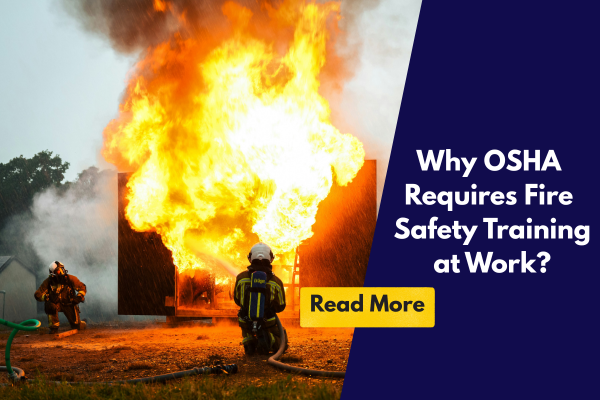
especially in 2026, when workplaces rely more than ever on automated systems, crowded facilities, and complex machinery. A fire doesn’t wait for the perfect moment. It erupts during normal workdays, in quiet hallways, behind equipment, or in break rooms that no one thinks twice about. While alarms, extinguishers, and sprinklers are essential, they only work when people know exactly how to react. That’s where fire safety training becomes a true lifesaver. Companies that treat training as a serious, ongoing system, not a one-time box to check. create workplaces that stay calm under pressure and respond effectively within seconds.
This guide explains how to build fire safety training that actually protects your team, aligns with OSHA standards for 2026, and prepares every employee for the real-world situations they may someday face.
Fire safety training is a structured, step-by-step learning program that teaches workers how to prevent fires, respond quickly, and escape safely. The goal isn’t just to memorize rules. It’s to build instincts.
What Does Workplace Fire Safety Training Include? A strong program covers hazard awareness, safe work habits, emergency procedures, extinguisher use, and evacuation. Employees learn how fires start, what fuels them, and what stops them. They also practice simple yet powerful skills, like recognizing early warning signs and knowing when to evacuate versus when to control a fire.
Effective workplace fire safety training includes:
Whether delivered through a fire safety awareness course, a fire safety training online module, or a full in-person fire safety course, the core message remains the same: preparation saves lives.
OSHA makes fire safety training mandatory for almost every workplace. The reason is simple: fire is a universal hazard. Every business, from offices to warehouses, must train workers on recognizing fire risks and reacting safely.
As workplaces evolve in 2026 with new technologies, automation, and expanded safety expectations, OSHA’s fire prevention requirements remain the backbone of compliance. OSHA’s fire prevention requirements ensure employees know emergency steps, understand alarm systems, and can exit safely. If your workplace performs hot work or handles hazardous materials, the rules become even stricter. Fire prevention training helps employees spot hazards and stop fires before they start.
To stay compliant in 2026, employers must follow these core OSHA fire-safety and fire-prevention regulations:
29 CFR 1910.38 – Emergency Action Plans (EAP)
29 CFR 1910.39 – Fire Prevention Plans (FPP)
29 CFR 1910.157 – Portable Fire Extinguishers
29 CFR 1910.156 – Fire Brigades
29 CFR 1910.252 – Hot Work / Welding, Cutting, and Brazing
29 CFR 1910 Subpart E – Exit Routes & Emergency Planning
Fire safety training in the workplace isn’t limited to high-risk environments. Every employee, contractor, supervisor, and maintenance worker benefits from it. Fires happen in restaurants, hospitals, manufacturing plants, retail stores, and office buildings. Anyone inside a structure during an emergency becomes part of the response, whether they’re prepared or not.
Workplace fire safety training ensures everyone understands their responsibilities and can support a safe evacuation.
People often confuse prevention and safety, yet they play different roles. Fire prevention focuses on stopping fires before they begin by identifying risks, controlling ignition sources, and using safe storage habits. Fire safety prepares people for what happens after a fire starts, including evacuation, extinguisher use, communication, and survival. Both matter. A workplace that only teaches one is still vulnerable.
Employees learn to recognize ignition sources, understand flammable materials, and practice caution in blasting areas if their work involves excavation, mining, or demolition. Blasting awareness, blasting certification, blasting safety procedures, and a blasting safety plan protect high-risk job sites where a single mistake can escalate rapidly.
Workers must know how fire alarms sound, how early detection systems work, and how to communicate alerts during a crisis. This training reduces confusion and keeps emergency messages clear and fast. Read the Hazard Communication guide.
Employees learn the RACE method: Rescue, Alarm, Contain, Extinguish, or Evacuate. It gives them a simple process to follow even under pressure.
Using a fire extinguisher becomes less intimidating with the PASS method: Pull, Aim, Squeeze, Sweep. Fire extinguisher training helps employees understand when to engage a fire and when to walk away.
Fire safety tips help workers make smart choices daily. Something as small as unplugging damaged equipment or keeping exits clear can prevent a disaster. These habits create a safety-first workplace where risks stay low and awareness stays high.
While industries vary, five rules appear everywhere:
The best fire safety certification depends on your job role. Office workers often need basic fire safety awareness training, while industrial teams may require advanced courses like fire safety training for employees handling chemicals or performing hot work. Online options make refresher training easy, allowing employees to stay updated without interrupting daily operations.
Creating training that works requires more than printing a manual or showing a video. True readiness develops through practical learning, repetition, and honest evaluation.
1.Build a Fire Safety Plan Aligned With OSHA 1910 Standards
A workplace fire safety plan should outline roles, responsibilities, evacuation routes, alarms, extinguisher locations, and reporting procedures. When workers know the plan by heart, panic turns into coordinated action.
2.Use Real-World Scenarios, Drills & Hands-On Extinguisher Training
Nothing builds confidence like practice. Drills simulate the stress of a real fire and help people react instinctively. Adding hands-on extinguisher training creates familiarity with equipment they may someday rely on.
3.Keep Training Updated With New Hazards, Technologies & Codes
Workplaces evolve. New machines, new chemicals, and new floor layouts can create fresh risks. Regular updates ensure training stays accurate, relevant, and effective.
4.Track Competency, Not Just Completion
Many companies check the box but never verify comprehension. Real fire safety training measures skills, like whether employees can use PASS correctly or follow evacuation routes under pressure.
The aftermath of a fire affects more than buildings. Lives change. Families suffer. Businesses shut down. When training is strong, however, employees act quickly, calmly, and safely. They protect not only themselves but their coworkers and the company’s future.
Protect your team with training that truly saves lives. Get OSHA Courses provides OSHA-aligned fire safety training, easy online modules, and practical guidance to keep your workforce prepared for real emergencies. Our OSHA 30 and OSHA 10 online training covers the fire safety topics related to the construction industry. If you belong to the construction industry and want to protect yourself and your team from fire so start today and build a safer, more compliant workplace.

Verified buyer Steven S. shared in January 2024 that the entire process was quick and easy, reflecting how smoothly Get OSHA Courses makes ordering and starting safety training. His experience highlights the platform’s simple, user-friendly approach that helps learners get started without delays.
Fire safety training isn’t just a requirement. It’s an investment in people, property, and peace of mind. When your team understands hazards, knows emergency procedures, and practices real-world skills, a fire becomes a controlled event, not a catastrophe.
If you want OSHA-aligned fire safety courses that simplify compliance and build real confidence, Get OSHA Courses offers easy online training trusted by workplaces nationwide.
What is the basic of fire training?
Basic fire training teaches employees how to prevent fires, recognize hazards, respond safely, and evacuate correctly during an emergency.
What training is mandated by OSHA?
OSHA requires fire safety training, fire extinguisher training, evacuation procedures, and fire prevention training for most workplaces.
What are the 4 P’s of fire safety?
The 4 P’s are Prevent, Protect, Prepare, and Practice, guiding safe behavior before and during a fire.
What are the safety precautions during blasting?
Blasting safety requires hazard awareness, proper PPE, controlled access zones, communication signals, and strict adherence to a blasting safety plan.
What are the OSHA requirements for fire safety training?
OSHA requires employers to train workers on fire hazards, emergency actions, extinguisher use and fire prevention procedures under OSHA 1910.
What is Hotworks certification?
Hot work certification verifies that workers are trained to perform welding, cutting or spark-producing tasks safely and follow OSHA hot work rules.
How long is fire safety training valid for?
Fire safety training typically remains valid for one year, though many workplaces provide refreshers more frequently.
How often should fire safety training be carried out?
Training should be conducted annually and whenever procedures change or new hazards are introduced.
What is the 80% rule for OSHA?
The OSHA 80% rule means a worker must score at least 80% on required safety training assessments to be considered competent.
How often does OSHA require employees to be trained on fire extinguishers?
OSHA requires annual fire extinguisher training for employees expected to use extinguishers.