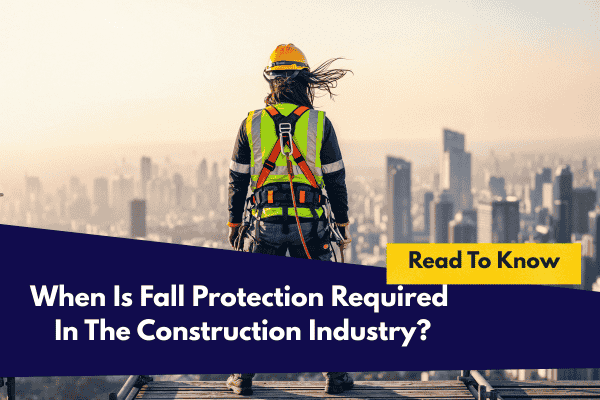

Falls are one of the most serious safety and health hazards of occupational injuries and fatalities globally. Irrespective of the industry, fall-related incidents cause serious injuries to workers, employers, and stakeholders.
Fall protection is all about mitigating the risk of falling from a height. It includes equipment like harnesses, guardrails, and safety nets. Beyond this, implementing training, risk assessment, and planning of the worksite is vital to safety. A combination of engineering controls, administrative policies, and Personal Protective Equipment (PPE) results in effective fall protection.
The purpose of fall protection has two aspects: Prevention and Mitigation
Fall hazards are not just an issue in construction. Other fields like manufacturing, oil and gas, transportation, and healthcare also deal with serious risks.
Each sector is discussed as follows:
Nearly half of all workplace accidents in the US occur in the construction sector, even though it employs only 6% of the labor force.
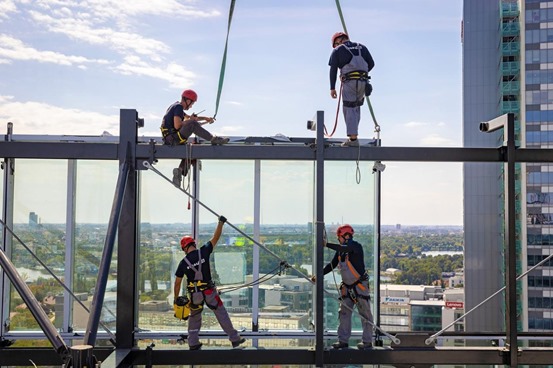
Construction workers work from elevated positions such as scaffolding, ladders, or rooftops. The Occupational Safety and Health Administration (OSHA) reports that the main causes of construction deaths in the U.S. are:
Fall protection systems, like guardrails and personal fall arrest systems, are crucial to safeguarding these workers.
The Occupational Safety and Health Administration (OSHA) emphasizes stringent guidelines for fall protection in construction, emphasizing its critical importance.
Workers in factories and warehouses often navigate elevated walkways, mezzanines, and storage racks. Slip-resistant flooring, railings, and proper lighting can play a pivotal role in preventing fatal accidents. Maintenance of PPE equipment and adherence to safety protocols ensure workplace safety.
Hazards such as high altitudes, confined spaces, and slick surfaces are frequent in oil wells and gas refineries. To be more specific about fall hazards in oil and gas industries, one should be cautious when
Loading and unloading trucks, trailers, and ships are the common places with more fall risks. To lower the risk of falls, it helps to use portable ladders and fall protection systems, and to ensure that loading docks are secure.
Slippery floors, messy paths, and people rushing around often lead to slips and falls in hospitals. This can cause significant physical and mental stress for the healthcare staff. Awareness campaigns (by OSHA), regular inspections, and slip-resistant footwear are effective preventive measures.
The key components of fall protection systems include:
Timely identification of potential fall risks and effective allocation of resources can minimize fall-related accidents.
Include designing work environments to eliminate or reduce fall risks to a maximum. Examples include installing guardrails, toe boards, and safety gates. Engineers prefer this method more since it looks at dangers right where they begin.
To encourage safe practices, administrative controls primarily concentrate on policies, procedures, and training. Examples include
Includes the following:
Proper training on how to properly maintain PPE is essential to maximize its effectiveness.
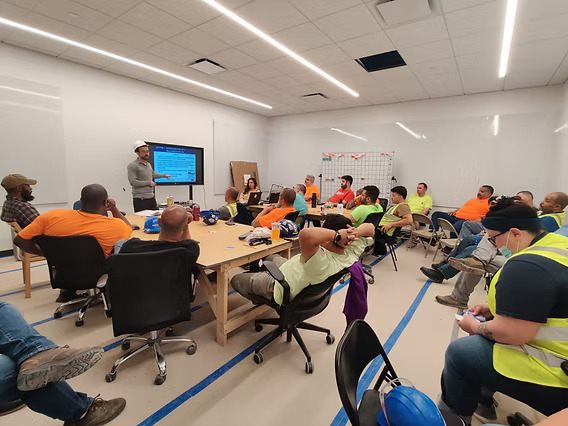
Training programs are essential to ensuring that workers understand fall protection measures and include:
In the United States has set out clear guidelines under two main OSHA standards: 29 CFR 1910 for General Industry and 29 CFR 1926 for Construction. Following these rules helps organizations avoid legal and financial implications in addition to preventing accidents.
Encourage a safe workplace culture that puts safety above all. Effective leadership and employee involvement are key to fostering workplace hazards-free.
It's important to view training for reducing fall risks as something that happens regularly. Workers should take refresher courses now and then to stay informed about new tools, methods, and rules. New workers must complete construction training before entering the field, as many states require it for safety.
OSHA 10 is well introduced to entry-level workers, while supervisors with safety responsibilities should pursue the OSHA 30 certification to ensure comprehension and surveillance. The OSHA 30 certification is rated the best in the United States for making any workplace a lot safer.
Technological innovations like wearable sensors, drones, and augmented reality can enhance fall protection mechanisms. For instance, wearable devices can monitor worker movements and issue alerts in hazardous situations.
Safety consultants and industry experts can share their valuable knowledge to help meet the latest standards and maintain compliance at the job site.
Keeping an eye on fall protection measures by using audits, checking incident reports, and listening to employee feedback really helps. By looking at this information, we can make real improvements.