+1 201 685 9900 | support@getoshacourses.com
+1 201 685 9900 | support@getoshacourses.com
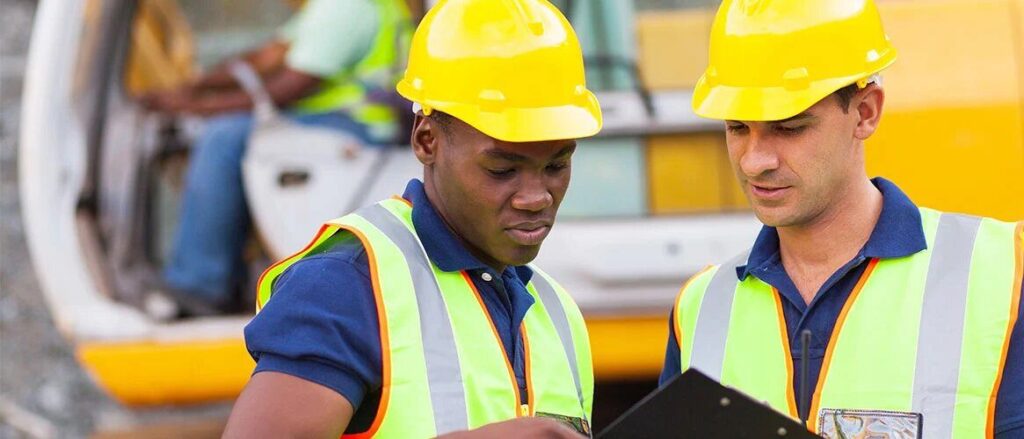
Workplace safety is one of the most important responsibilities for any organization, especially in industries where employees face daily hazards. As workers move into supervisory or leadership roles, they often need more comprehensive safety education to identify risks, promote safe work practices, and help maintain compliance with workplace safety regulations.
Advanced workplace safety training equips supervisors and experienced workers with the knowledge to recognize hazards, reduce workplace incidents, and create a stronger culture of safety. Beyond meeting employer expectations, it helps individuals develop the confidence to make informed safety decisions that protect both employees and businesses.
In this guide, we’ll explore the key benefits of advanced workplace safety training, how it contributes to safer workplaces, and why many employers recommend it for professionals with greater safety responsibilities.
As employees take on greater responsibilities, workplace safety becomes more than simply following procedures—it involves protecting coworkers, identifying hazards before they cause harm, and helping create a safer work environment. Supervisors, team leaders, foremen, and safety coordinators often benefit from more comprehensive workplace safety education because they play an important role in maintaining safe job sites.
Advanced workplace safety training provides practical knowledge that helps experienced workers recognize hazards, reduce risks, and encourage a stronger culture of safety. Rather than focusing only on regulatory requirements, it teaches participants how to identify unsafe conditions, respond to potential dangers, and support compliance with workplace safety standards.
Common topics covered include:
For professionals working in construction and other high-risk industries, OSHA training is one of the most widely recognized programs that provides this level of advanced workplace safety education. Completing the program demonstrates a commitment to workplace safety while helping supervisors develop the knowledge needed to reduce incidents, improve compliance, and protect their teams.
Ultimately, advanced workplace safety training benefits both employees and employers by strengthening safety awareness, improving decision-making, reducing workplace injuries, and supporting a culture where safety is part of everyday operations.
Training is your guide through the maze of chemical safety. Have you ever considered what those mysterious symbols marked on the chemical container mean? If you work in an environment that uses chemicals, understanding Hazard Communication Standards is necessary. Course is your private mentor on the web of chemical safety.
Training covers the Hazard Communication Standards (HCS) in detail. The HCS is the “Worker Right to Know Standard”. It requires employers to provide information to workers.
Critical aspects of the HCS covered in OSHA training include:
The training emphasizes the importance of hazard identification and avoidance. Moreover, it teaches us to prevent risks and maintain a safe work environment.

Are you looking to land a job in a dynamic field where safety is paramount? Earning your DOL card is your golden ticket to a world of exciting Opportunities! Lock and load because we’re about to reap a treasure harvest of career paths that value your devotion to workplace safety.
There are several jobs you can get with a card:
Construction Jobs:
A card is often required for supervisors and managers to work on construction sites. It demonstrates knowledge of OSHA safety regulations and best practices.
Manufacturing Jobs:
Manufacturing facilities require training for employees working in a hazardous environment. It helps verify worker safety and compliance with OSHA standards.
Warehouse and Logistics Jobs:
Warehouses often require OSHA training for employees operating forklifts or working at heights. It promotes safe practices in these environments.
Oil and Gas Jobs:
The oil and gas industry needs OSHA training for workers in hazardous roles.
Earning your OSHA card is an investment in your safety and future career prospects. It is a valuable certification that opens up opportunities in various industries. It prioritizes worker safety and compliance.

Every workplace has its hidden danger, sneaking beneath the surface of routine tasks. To confirm workplace safety, OSHA offers a comprehensive training program. The OSHA training covers various topics to help workers identify risks.
Some of the main hazards and topics discussed are;
The courses provide an A to Z overview of OSHA standards and best practices. We use hands-on activities and quizzes to rev up the training material.
Remember, knowledge is power! By conquering the course, you’ll gain the expertise to identify workplace risks.
Working hard is admirable, but working safely is essential. Construction sites can be a jungle of dangers. That’s why OSHA targets specific risks via its outreach program.
Training program covers various safety topics, including caught-in or between hazards. Now the point is: What is course’s focus for caught in or between hazards? Well, this part focuses on preventing injuries.
It emphasizes safety measures, including;
We advise employers to provide guards on the following:
Remember, safety is a mutual responsibility. By working together, we can create a safer construction site. Be mindful – focus on safety first and make every workday successful!
Alright, let’s get real; safety shouldn’t be a gamble. Taking Advanced Workplace Safety Training equips workers to lock on and ease risks. It highlights hazard communication standards. What are the benefits of taking advanced workplace safety training? Besides staying healthy, it can open doors to new job opportunities.
Ultimately, the benefits of advanced workplace safety training lie in improved safety hazard awareness. The course is a valuable asset for both employees and employers. That’s the kind of confidence training can give you. So, why wait? Take control of your safety by enrolling in a trusted Advanced Workplace Safety Training today!
Frequently Asked Questions
Learn how advanced workplace safety training helps employees, supervisors, and safety leaders build safer workplaces, improve hazard awareness, and strengthen workplace safety practices.
What are the main benefits of advanced workplace safety training?
Advanced workplace safety training helps employees and supervisors recognize hazards, reduce workplace risks, improve safety awareness, and support compliance with workplace safety standards. It also strengthens leadership skills and promotes a proactive safety culture across a variety of industries.
Who benefits most from advanced workplace safety training?
This type of training is particularly valuable for:
Supervisors
Foremen
Project managers
Safety coordinators
Team leaders
Employees responsible for workplace safety
Workers in construction, manufacturing, warehousing, transportation, utilities, and other higher-risk industries often benefit the most.
How does advanced workplace safety training improve workplace safety?
Advanced safety training teaches participants how to identify hazards, assess workplace risks, follow safe work practices, respond to emergencies, and help prevent incidents before they occur. It also encourages better communication and stronger safety leadership throughout the workplace.
What industries benefit from advanced workplace safety training?
Advanced workplace safety training is widely used in industries such as:
Construction
Manufacturing
Warehousing and logistics
Transportation
Utilities
Oil and gas
Healthcare
Agriculture
Organizations in these industries often rely on trained supervisors and safety leaders to maintain safe working environments.
What topics are commonly covered in advanced workplace safety training?
Training typically includes subjects such as:
Hazard recognition
Risk assessment
Fall protection
Electrical safety
Hazard communication
Personal Protective Equipment (PPE)
Emergency preparedness
Fire prevention
Material handling
Machine guarding
Workplace safety leadership
Is advanced workplace safety training recommended for supervisors?
Yes. Supervisors and managers often have additional responsibilities for protecting employees and maintaining safe job sites. Advanced workplace safety training helps them improve hazard recognition, strengthen safety leadership, and support compliance with workplace safety requirements.
Can workplace safety training be completed online?
Many OSHA-authorized training providers offer flexible online learning options that allow participants to complete training at their own pace while building practical workplace safety knowledge. When supervisor-level training is required, OSHA training is one of the most widely recognized online programs available.
Do I need entry-level training before taking supervisor-level training?
Not always. While many workers begin with entry-level workplace safety training, employees who already have supervisory responsibilities may be eligible to enroll directly in training, depending on their employer’s requirements and job role.