
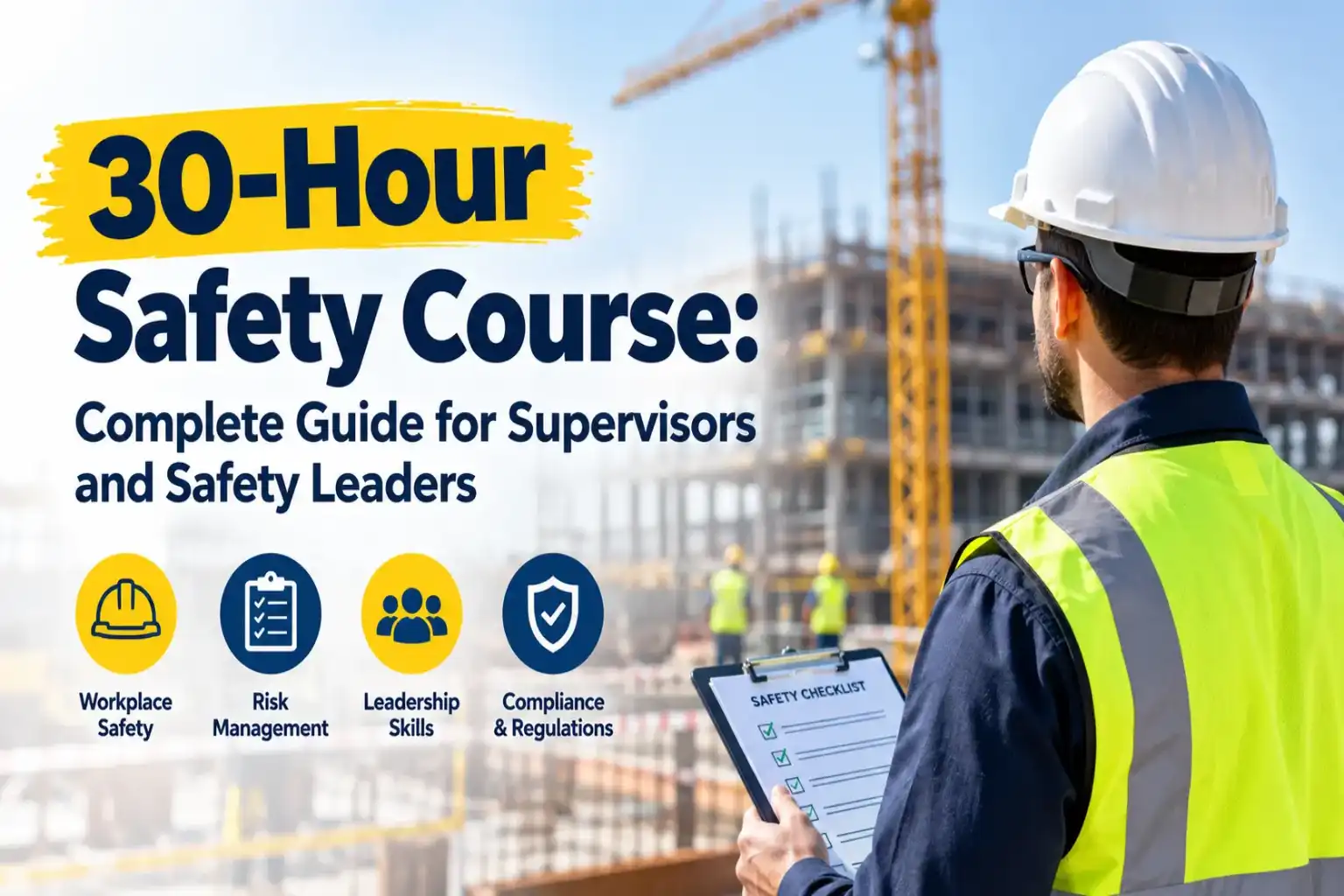
Not every workplace looks like a construction site but that doesn’t mean the hazards are any less serious. Manufacturing plants, warehouses, distribution centers, and general facilities each carry their own risks, and supervisors in these environments need training built around those specific conditions. This article explains who needs the general industry track and what it covers.
What Counts as General Industry?
General industry covers the vast range of workplaces that fall outside construction, including:
- Manufacturing and production facilities
- Warehousing and distribution centers
- Maintenance and facilities management
- Retail and hospitality back-of-house operations
- Healthcare support and laboratory environments
Who Should Enroll
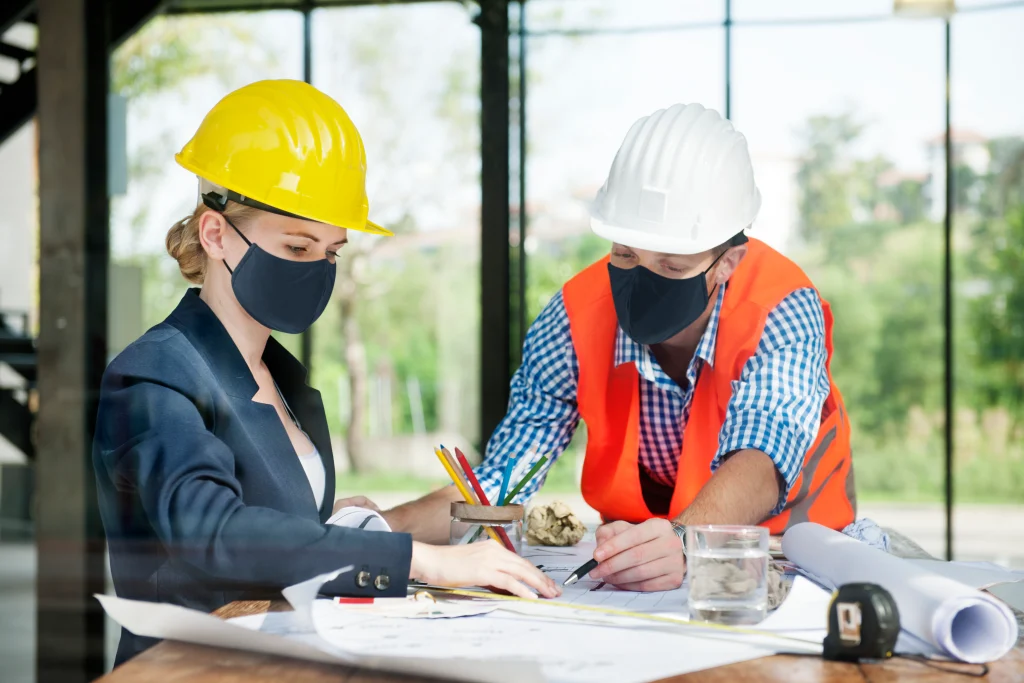
This track is built for supervisors, safety coordinators, and team leads who are responsible for day-to-day safety oversight in a fixed facility rather than a changing job site. It’s also a strong fit for anyone stepping into a first-time safety leadership role in a plant or warehouse environment.
What the Curriculum Covers
- Walking-working surfaces and slip, trip, and fall prevention
- Hazard communication and chemical labeling standards
- Machine guarding and lockout/tagout procedures
- Electrical safety in fixed facility settings
- Materials handling and powered industrial truck (forklift) safety
- Personal protective equipment (PPE) programs
- Ergonomics and repetitive-motion injury prevention
- Emergency action plans and fire prevention
- Permit-required confined spaces
Why Supervisors Need This Level of Training
General industry facilities often run continuous operations with rotating shifts, which puts supervisors in a position where they must catch hazards quickly and consistently not just during a single walkthrough. The extended course format gives supervisors the depth needed to design hazard controls, train their teams, and respond effectively when something goes wrong.
How This Differs From the Construction Track
While both tracks share some foundational topics, the general industry curriculum replaces construction specific content like scaffolding and excavation with facility-specific hazards such as machine guarding and chemical handling. If your team works primarily in a fixed facility rather than on a job site, this is almost always the right choice. For a side-by-side look at how the two tracks compare at a program level, see our complete supervisor’s guide.
Final Thoughts
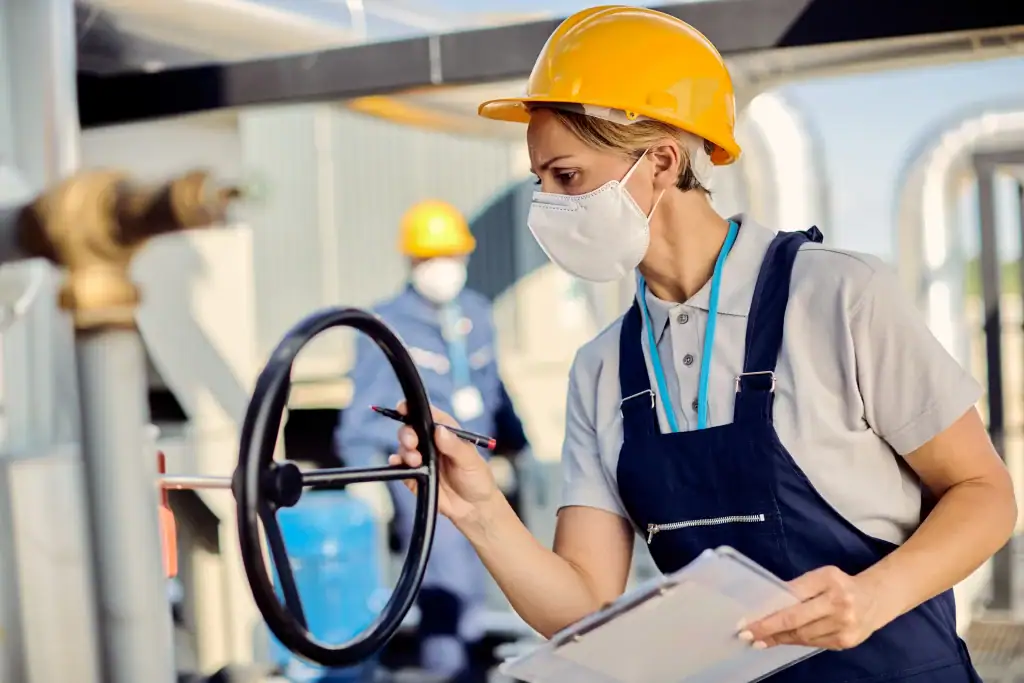
General industry workplaces carry their own distinct hazard profile, and supervisors need training that reflects that reality. A properly matched course ensures your team is prepared for the risks they’ll actually encounter — not a generic overview that misses the details that matter most.
Explore the general industry course and enroll today.
Frequently Asked Questions
What workplaces fall under general industry?
Manufacturing plants, warehouses, distribution centers, maintenance operations, and many retail, hospitality, and healthcare support environments all fall under this category.
Who should enroll in the general industry track?
Supervisors, safety coordinators, and team leads responsible for day-to-day safety oversight in a fixed facility, along with anyone stepping into a first-time safety leadership role.
How is this different from the construction track?
This track replaces construction-specific topics like scaffolding and excavation with facility-specific hazards such as machine guarding, hazard communication, and ergonomics.
Does this course cover forklift safety?
Yes, materials handling and powered industrial truck safety are core parts of the general industry curriculum.